

The Yoga Sutras and The 8 Limbs of Yoga - Pratyahara and Dharana
When we sit down for a meditation practice, Pratyahara is probably the first thing we do - we focus on withdrawing our senses and instead we draw our awareness within. Dharana means ‘focused concentration’. If you feel like your brain is constantly moving from one thought to the next - or what Yogis call the ‘Monkey Mind’ - you may find that practicing Dharana helps you improve your focus and slow down your thoughts.
PRATYAHARA – Sense withdrawal, introversion
The Sanskrit word Pratya means to ‘withdraw’, ‘draw in’ or ‘draw back’, and the second part ahara refers to anything we ‘take in’, such as the various sights, sounds and smells our senses take in continuously. When we sit down for a meditation practice, this is probably the first thing we do - we focus on ‘drawing in’. The practice of drawing inward may include focusing on the way we’re breathing, so this limb would relate directly to the practice of pranayama too.
The phrase ‘sense withdrawal’ could be understood as the ability to actually switch off our senses, but instead the practice of pratyahara just changes our state of mind so that we become so absorbed in what it is we’re focussing on, that the things outside of ourselves no longer bother us and we’re able to meditate without becoming easily distracted. You may even be able to practice pratyahara in everyday life – when we’re so concentrated and present in a given moment, that things like sensations and sounds don’t easily distract the mind.

DHARANA – Focused Concentration
Dharana means ‘focused concentration’. If you feel like your brain is constantly moving from one thought to the next - or what Yogis call the ‘Monkey Mind’ - you may find that practicing Dharana helps you improve your focus and slow down your thoughts. The goal of dharana is to bind your consciousness to one particular object, place, or idea. This single-object meditation can focus on an internal thought or an external object around you in the outside world. The previous limb, Pratyahara is necessary to start practicing Dharana. So, we first tune out external stimulation to tune inside and we draw our focus onto one single object like the breath, a body party, a chakra or a mantra. Candle gazing is another practice for Dharana. It takes continuous practice. A continuous refocusing of the mind as it’s very normal for our minds to drift off. The practice is to bring the focus back to the object of meditation. Again and again :)
Dharana can even be found in our day to day activities - it happens whenever a person is fully present and focused on an activity or object. Perhaps that’s painting, or reading a book.

The Yoga Sutras and The 8 Limbs of Yoga - Asana and Pranayama
Asana are the physical postures we do on our mat and this limb is, nowadays, quite often the point of entry for people into yoga. The word Prana refers to ‘energy’ or ‘life source’. It describes the very essence that keeps us alive, as well as the energy in the universe around us. Prana also often describes the breath, and by working with the way we breathe, we directly affect the state of our mind.
ASANA – Physical Postures
This is probably the limb we’re most familiar with in the Western yoga world. Asana are the physical postures we do on our mat and this limb is, nowadays, quite often the point of entry for people into yoga. We call all the different postures and flows we do asana. However, its original meaning was simply a comfortable seat. Patanjali’s text has no other asana instruction other than the necessity of finding a steady and easy posture, sthira sukham asanam, in which to engage in the practices of pranayama and meditation. The idea is to be able to sit in comfort so we’re not ‘pulled’ by aches and pains of the body, or restlessness due to an uncomfortable position. The many different asanas that we practice can, however, in time help to open up the body in order to sit comfortably for meditation.

PRANAYAMA – Breathing Techniques
The word Prana refers to ‘energy’ or ‘life source’. It describes the very essence that keeps us alive, as well as the energy in the universe around us. Prana also often describes the breath, and by working with the way we breathe, we directly affect the state of our mind. There are many different techniques that all have a different effect on our mind and our state of being. For example, we may choose calming practices like Chandra Bhadana (moon piercing breath) or more stimulating techniques such as Kapalabhati (shining skull cleansing breath).

The Yoga Sutras and The 8 Limbs of Yoga - Niyamas
The second limb, niyamas, usually refers to duties directed towards ourselves, but can also be considered with our actions towards the outside world. There is a reason the yamas and niyamas occur before asana in Patanjali’s eight limbs of Yoga. When we take on a physical yoga or pranayama practice, we’re using, creating and directing powerful energy. Having a solid understanding of the yamas and niyamas can help channel that energy into a positive expression of ourself. There are five niyamas.
The second limb, niyamas, usually refers to duties directed towards ourselves, but can also be considered with our actions towards the outside world.
There is a reason the yamas and niyamas occur before asana in Patanjali’s eight limbs of Yoga. When we take on a physical yoga or pranayama practice, we’re using, creating and directing powerful energy. If we come to our mat with a sense of aggression instead of ahimsa (non violence), self-denial instead of satya (truthfulness), laziness instead of tapas (discipline or burning passion) and impurity instead of saucha (cleanliness), then we’re not likely to progress positively throughout our sadhana (our practice) and we might enforce the more negative traits.
There are five niyamas.

Saucha (cleanliness)
Saucha can be translated as ‘cleanliness’, but it doesn’t just mean physical cleanliness. Saucha means cleanliness of body, mind, spirit and surroundings, all helping to direct us towards a pure and positive life. For example, cultivating saucha gives us the ability to recognise the habits we have picked up in our life that no longer serve us. So the practice is to recognise what doesn’t help us and what does, coming towards a state in which everything we do leads us towards being happier, healthier and more awake and aware in life.
Some Yogis practice certain cleansing techniques or shatkarmas to purify their body and mind. These practices may include Neti (nasal cleansing), Dhauti (cleansing of digestive tract), Naulis (abdominal massage) or Kapalbhati (purifying pranayama).
Saucha can also be practiced in everyday life. For example a tidy and clean home usually brings a tidy and calm mind. Or the food you eat can either keep the body clean and healthy or it can tax the body. It’s about making conscious choices whenever it’s available to us. Saucha is also a practice that we apply when we observe our thoughts and choose positivity instead of negativity. Remember, thoughts are powerful!
Santosha (contentment)
Santosha often translates as ‘contentment’, and is probably easier said than done. A very common vritti (fluctuation of the mind) that we all may experience every now and again is “I’ll be happy when/if….”. Whether it’s losing weight, getting a different job, meeting someone new, or being able to get ourselves into that yoga posture we’ve been working towards, there’s probably one or two things you feel could make you happier or more content. Having the urge to want to grow and expand and push ourselves just a little towards a goal isn’t a bad thing at all – it just becomes bad when we base our entire sense of peace and happiness on this. We can work on this vritti by cultivating santosha. Santosha encourages us to accept and appreciate what we have and what we are, right now.
Tapas (discipline or burning desire)
The word Tapas stems from the root Sanskrit verb ‘tap’ which means ‘to burn’, and it evokes a sense of ‘fiery discipline’ or ‘passion’. Tapas can mean cultivating a sense of self-discipline, passion and courage to burn away ‘impurities’ - physically, mentally and emotionally and especially karmic impurities. Looking at this niyama in connection to the practice on the mat - discipline doesn’t necessarily mean that we have to push ourselves physically. Sometimes just actually making the time to get on the mat and meditate, or practise for 10 minutes every day is challenging and requires discipline. Tapas is an expression of our inner wisdom, guiding us to practice even if we don’t feel like it because we know it’s good for us. Tapas can also mean just the fiery passion that we have for the practice. Tapas can also be the discipline we have to eat healthy food and lead a healthy life which supports our practice.
Tapas is also a great tool to take off the mat. We learn to stay grounded when we’re challenged and we learn to be disciplined to reach goals we’ve set out to reach. Tapas can also be the courage to go after what we want in life. When we work with the element of Tapas, it’s important to make sure we’re acting from a place of positivity and love, and not from fear. When we push ourselves a little further, we should do it not because our ego tells us to, but because we really truly feel we can go just that little bit further.
Svadhyaya (self-study or self-reflection, and study of spiritual texts)
Patanjali says “Study thyself, discover the divine”. Practicing self reflection, observation and study of the self makes us more aware of the things we do that harm us, plus the things that serve us, bringing us in closer contact with our true self. Svadhyaya also encourages us to further educate ourselves in whatever inspires and fascinates us, deepening our own knowledge. If we apply the practice of svadhyaya to our modern-day off-the-mat lives, it might mean finding a book or a piece of writing that deepens your own yoga practice. Studying our habits on the yoga mat can go a long way towards recognising our habits off the mat too. Simple questions to ask yourself when you’re on the mat may be: How does my breath feel? Where does my body hold tension? What thoughts are flowing through the mind? Svadhyaya is the continuous practice of being present with everything that arises and through that getting to know yourself a little better, each time you practice. Svadhyaya off the mat happens when we pay attention to what we’re doing and why we’re doing it. It helps to recognize our habits, and discern between the ones which come largely from an ego-based place, and which ones are the result of listening to our true Self.
Isvarapranidhana (surrender to a higher power)
This Nniyama invites a sense of letting go or surrender - on and off the mat. A ‘surrendering to a higher power’ or simply letting go of our expectations. Isvara translates as ‘Supreme Being’, ‘God’, ‘Brahman’, ‘Ultimate Reality’ or ‘True Self’ and pranidhana usually translates to ‘surrender’. God can be a tricky word to contemplate in our modern day lives and Yoga doesn’t teach religion or any other doctrines. However, there is a common understanding that there is something that exists beyond our humanness. Perhaps it’s the power of nature, perhaps it’s universal consciousness - find what resonates with you. In the Upanishads for example, the word isvara means ‘a state of collective consciousness’, which means that there isn’t a Godlike figure we are supposed to worship or devote our actions to at all, rather ‘God’ represents this collective consciousness, and therefore represents all of us too. On the mat, the idea of ‘surrendering’ can be applied to the intention we may set at the beginning; isvarapranidhana can be thought of as ‘offering up the results of one’s actions to the divine’, or to humanity if that resonates with you more. In this way, our asana practice becomes less about what it can do for us, but how we can help ourselves stay healthy and grounded enough to help the world around us. Off the mat, isvarapranidhana invites us to surrender to the flow of life or to open up to what is, instead of fighting against life’s twists and turns or trying to control life. Surrendering to what is, requires trust in our deepest Self, our intuition and the courage to express ourselves for who we are, as we are, which ultimately leads to freedom.
The Yoga Sutras and The 8 Limbs of Yoga - Yamas
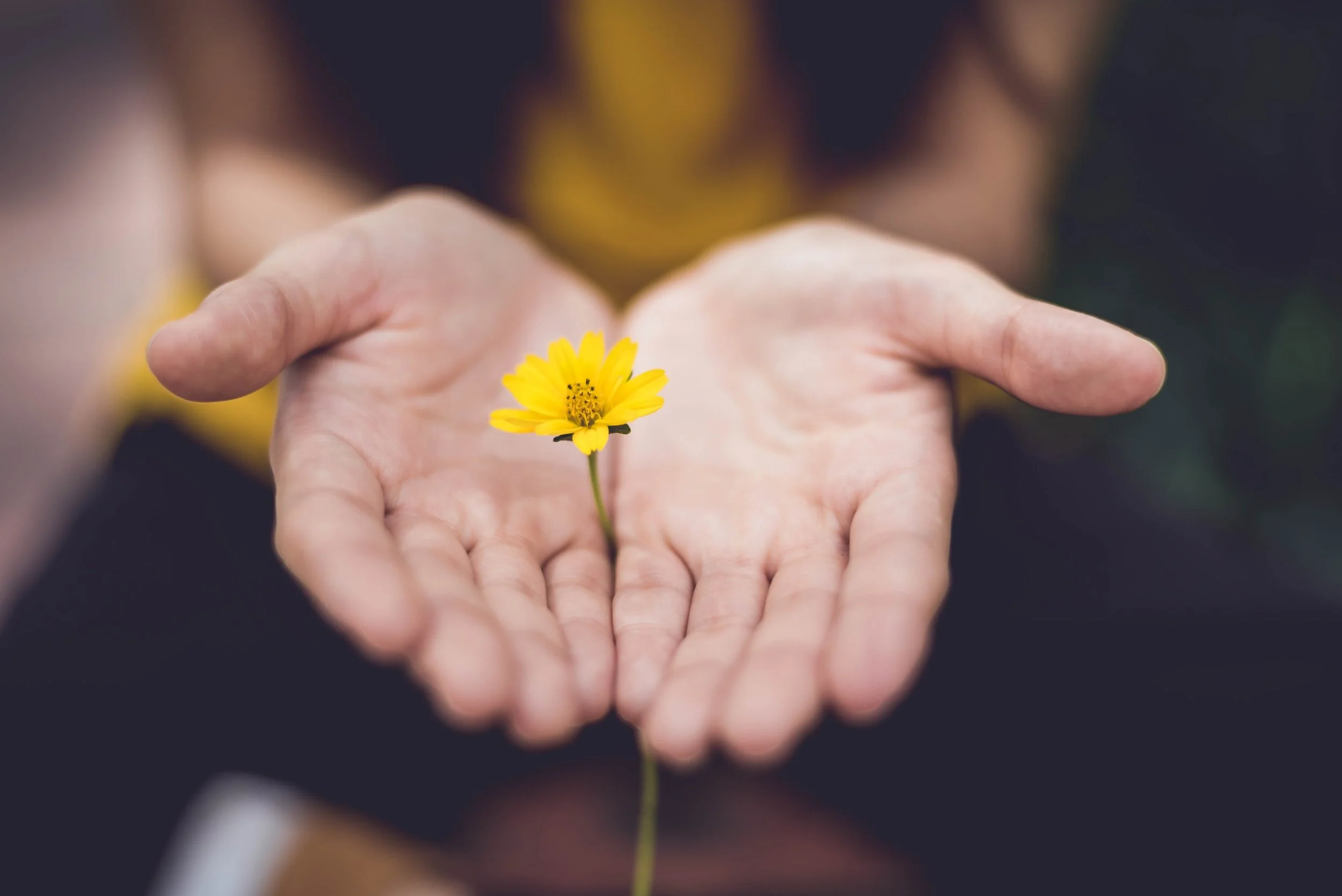
The Yoga Sutras, compiled more than 1,500 years ago by the Indian sage Patanjali, are foundational to yoga as we know it today. In the sutras, Patanjali speaks about the eight limbs of yoga, the eightfold path of spiritual growth and self-discovery. In this blog post, we’re looking at the first limb, the Yamas.
The Yoga Sutras, compiled more than 1,500 years ago by the Indian sage Patanjali, are foundational to yoga as we know it today. In the sutras, Patanjali speaks about the eight limbs of yoga, the eightfold path of spiritual growth and self-discovery. Asana (yoga postures) is probably the most well-known of the limbs, but it’s only a part of the story. This path offers so much more. The Yoga Sutras of Patanjali refers to 8 limbs of yoga, each of which offers guidance on how to live a meaningful and purposeful life. Each of the eight limbs addresses a different aspect of our life, and together they act as a road map to what we call “yoga off the mat.”

Let’s look at the Yamas, which means restraints, moral disciplines, or moral vows
This first limb, Yama, refers to vows, disciplines or practices that are primarily concerned with the world around us, and our interaction with it. Yoga is a practice of transforming and benefitting every aspect of life, not just the 60 minutes spent on the mat; if we can learn to be kind, truthful and use our energy in a worthwhile way, we will not only benefit ourselves with our practice, but everything and everyone around us. It directly impacts our daily interactions with family, friends, colleagues and neighbors; the way we earn a living and how we spend our money; the kind of food we eat; our relationship with the environment; how we treat animals and other species; and how we view politics, business and education.
There are five Yamas
Ahimsa (non-violence)
Involves refraining from the intention of causing physical and psychological pain to any living being, and the conscious integration of compassion into every aspect of daily life. It is not merely a passive state of refraining from violence -- ahimsa implies the active expression of compassion and kindness towards ourselves and other sentient beings.
Satya (truthfulness)
The word ‘sat’ literally translates as ‘true essence’ or ‘true nature’. The practice of Satya is so much more than just ‘not telling lies’. It’s a practice that happens in every moment of every day. It requires a calm and steady mind to understand our truthful place before we react to a person or a situation. Satya can also be practiced on the mat by being really honest with ourselves and what we need. Our practice changes, shifts and evolves every day together with our emotional, mental, physical and energetic state. So it’s important to assess our truth at the start of practice and to keep checking in. Is the practice serving us? Can we do less or can we do a little more? Aligning the practice with our truthful state is a practice inspired by Satya.
Asteya (non-stealing)
The need to steal essentially arises because of a lack of faith in ourselves to be able to create what we need by ourselves. The moment we feel a sense of ‘lack’ in life – desire, want and greed arises. We begin to look for something to fill that ‘empty’ sensation, and often feel as though everyone else has what we want. This feeling of lack or not good enough might show up in your practice on the mat. We might push ourselves beyond healthy boundaries because we’re afraid of not being good enough? When we continually focus on pushing ourselves just a little too far over that ‘edge’ in order to attain a posture, we not only rob ourselves of a sustainable and natural practice, but we rob ourselves of being able to be present with the posture and with ourselves for exactly the way things are in that moment. Asteya might also present in your tendency for hoarding or accumulating things. Not being able to declutter and let go of stuff you don’t need. So instead of feeling like something is lacking, we can practice feeling abundant. Recognising that we always are and have enough.
Brahmacharya (right use of energy)
The fourth of the Yamas, Brahmacharya, is often translated as ‘celibacy’ or ‘chastity’, which doesn’t necessarily apply to our modern lives anymore. A more appropriate translation may be ‘right use of energy’. Take a moment to consider where a lot of your energy goes. Likely, as for most of us, a lot of energy is used to worry, overthink and stress. Or you may spend a lot of your energy trying to be someone you’re not, or to please others. Or some spend a lot of their energy, trying to be fitter, stronger or skinnier. Modern life means a busy life. Our schedules are usually packed and we run around trying to get everything done. Brahmacharya encourages the right use of energy, so if your energy levels are flagging at the moment, consider whether your daily tasks are draining you of your vitality. Could you find a way to take a few moments a day to just stop and breathe and find a little peace? Perhaps do less?
Aparigraha (non-greed or non-hoarding)
This important yama teaches us to take only what we need, keep only what serves us in the moment, and to let go when the time is right. In the Bhagavad Gita Krishna said: ‘Let your concern be with action alone, and never with the fruits of action. Do not let the results of action be your motive, and do not be attached to inaction’. What Krishna is essentially saying here, is that we should never concern ourselves with the outcome of a situation, we should only concern ourselves with what we’re actually doing right now as we work towards that outcome. The same goes for your Yoga practice. Practice for the love of practicing. Not for the results, or the extra flexibility. Yes, that and a more peaceful mind are likely to be a result of your practice, but Aparigraha teaches to not attach to these results. A bit like ‘the journey is the destination’. Progress in our practice is encouraging, but it doesn’t need to be the only reward. The sheer joy of the practice is the greatest reward in itself, realising how freeing it is not to have a specific goal we must achieve, but to simply move our bodies in a way that feels good. Aparigraha can also speak to our human tendency to attach to positive feelings. We prefer to feel happy and light and we push away negative emotions. That’s a form of attachment too, which can cause more suffering than the seemingly negative emotion itself. Practicing aparigraha can thus create a lot of freedom, on and off the mat.
4 Paths of Yoga: Jnana
Jnana is Sanskrit for "knowledge" or "wisdom," and it describes the path of attaining knowledge of the true nature of reality through the practice of meditation, self-inquiry (Svadhyaya), and contemplation as well as studying Yogic scriptures. It’s considered to be one of the most direct but also the most difficult of the four main paths of Yoga.
Jnana is Sanskrit for "knowledge" or "wisdom," and it describes the path of attaining knowledge of the true nature of reality through the practice of meditation, self-inquiry (Svadhyaya), and contemplation as well as studying Yogic scriptures. It’s considered to be one of the most direct but also the most difficult of the four main paths of Yoga.
“Jnana Yoga, or the science of the Self, is not a subject that can be understood and realized through mere intellectual study, reasoning, discussion, or arguments. It is the most difficult of all sciences.” – Swami Sivananda

Jnana yoga is essentially a deep inquiry into the nature of the Self. The intention when practicing Jnana yoga is to use the mind to inquire into its own nature and to transcend the mind’s identification with its thoughts and ego. Simply accepting dogmatic teaching is not enough according to Jnana yoga, and as such, practitioners must seek an experiential knowledge of universal consciousness or absolute Truth.
There are four prescribed steps in Jnana Yoga known as Sadhana Chatushtaya (the Four Pillars of Knowledge). These practices build upon each other and thus should be practiced in sequential order. It’s recommended to practice Jnana Yoga only with experienced teachers or a Guru. Even if one does not have the goal of achieving liberation, practicing these techniques will cultivate spiritual insight and understanding.
The Four Pillars of Knowledge
Viveka (discernment, discrimination): a deliberate, intellectual effort to distinguish between the real and the unreal, the permanent and the temporary, and the Self and not-Self.
Vairagya (dispassion, detachment): cultivating non-attachment toward worldly possessions and the ego-mind.
Shatsampat (six virtues): six mental practices to stabilize the mind and emotions.
Mumukshutva (longing, yearning): an intense and passionate desire for achieving liberation from suffering.
After successfully practicing these four pillars, a practitioner is considered ready to begin the three core practices of Jnana Yoga, according to Upanishadic teachings:
Sravana - hearing or experiencing Vedantic philosophy through a guru or spiritual teacher, thereby achieving a deep understanding of the philosophy of non-dualism.
Manana - thinking and reflecting on the teachings of non-duality in an attempt to understand their subtleties.
Nididhyasana - constant and profound meditation on the inner Self. This involves the meditation and reflection on the meaning of the Maha-Vakyas - the “Great Sayings” of the Upanishads. Through that, a yogi can obtain the union of thought and action, knowing and being.
It can be difficult to grasp or comprehend the essence of jnana yoga and it’s very easy to become entangled in the constructs and thoughts of the mind and lose sight of the goal of jnana: to realize the divine oneness inherent in all beings.
It is recommended that one practice Hatha Yoga, Karma Yoga, and Bhakti Yoga as prerequisites. These yogic practices will prepare and purify the body, mind, and heart for the practice of Jnana Yoga.
What does that mean for most of us, in modern society, in our day-to-day life?
Be earnest with your practice of asana, pranayama, and meditation - you can use your meditation practice as a tool for self-inquiry. If you’re feeling drawn to the path of Jnana Yoga, the right spiritual teacher or Guru might just appear in your life when the time is right. If you’re curious and would like to read more, we can recommend the works of Ramana Maharishi, who was a great Jnana Yogi. Also the book ‘Jnana Yoga’ by Swami Vivekananda or ‘The Yoga of Truth: Jnana’ by Peter Marchand.

4 Paths of Yoga: Karma
In the Bhagavad Gita Shri Krishna said: “Do your duty without the concern to the fruit of it”. The word “Karma” means action, so Karma Yoga is the Yoga of action or duty. Krishna taught Karma Yoga to his disciple, Arjuna. The essence of his Karma Yoga teachings was that one must participate in the world, performing their proper activities without attachments to the outcome (positive or negative) while all the while devoting themselves to the path of union with the Divine.

In the Bhagavad Gita Shri Krishna said: “Do your duty without the concern to the fruit of it”. The word “Karma” means action, so Karma Yoga is the Yoga of action or duty. Krishna taught Karma Yoga to his disciple, Arjuna. The essence of his Karma Yoga teachings was that one must participate in the world, performing their proper activities without attachments to the outcome (positive or negative) while all the while devoting themselves to the path of union with the Divine.
It can be also defined as ‘Doing your duty at your best without any involvement of ego or attachment’. Attachment to the outcome of one’s actions is said to bring suffering, particularly when something is expected in return. In order to truly practice Karma Yoga, the practitioner must act with no expectations and serve others without thinking of the results.
Karma Yoga diminishes the ego and helps to dissolve any sense of separation between self and other. Acting in this way is believed to purify the mind, and it is considered the most virtuous approach to service.
While Karma Yoga can mean a lot of different things to different people, the general idea is to take the philosophy of yoga and put it into action. This means stepping off of the mat and into the world. It means humbling your ego, serving your community, and being part of something bigger than yourself.
There are many ways to embrace Karma Yoga in your life. Whether it’s giving a neighbor a helping hand or engaging in charity work, the opportunities are endless. When it comes to Karma Yoga, it is important that the service comes from a selfless place. Karma Yoga can also be applied within our chosen work. Through yoga and meditation practice, we learn to stay equanimous, especially towards success or failure. Neither will throw us off balance and we cultivate neither too much desire for success nor too much aversion towards failure. We remain unattached to the outcome of our actions within our work. That doesn’t mean carelessness, it just means that we do our duties with due diligence and regardless of the result, we can stay balanced and grounded.
4 Paths of Yoga: Bhakti
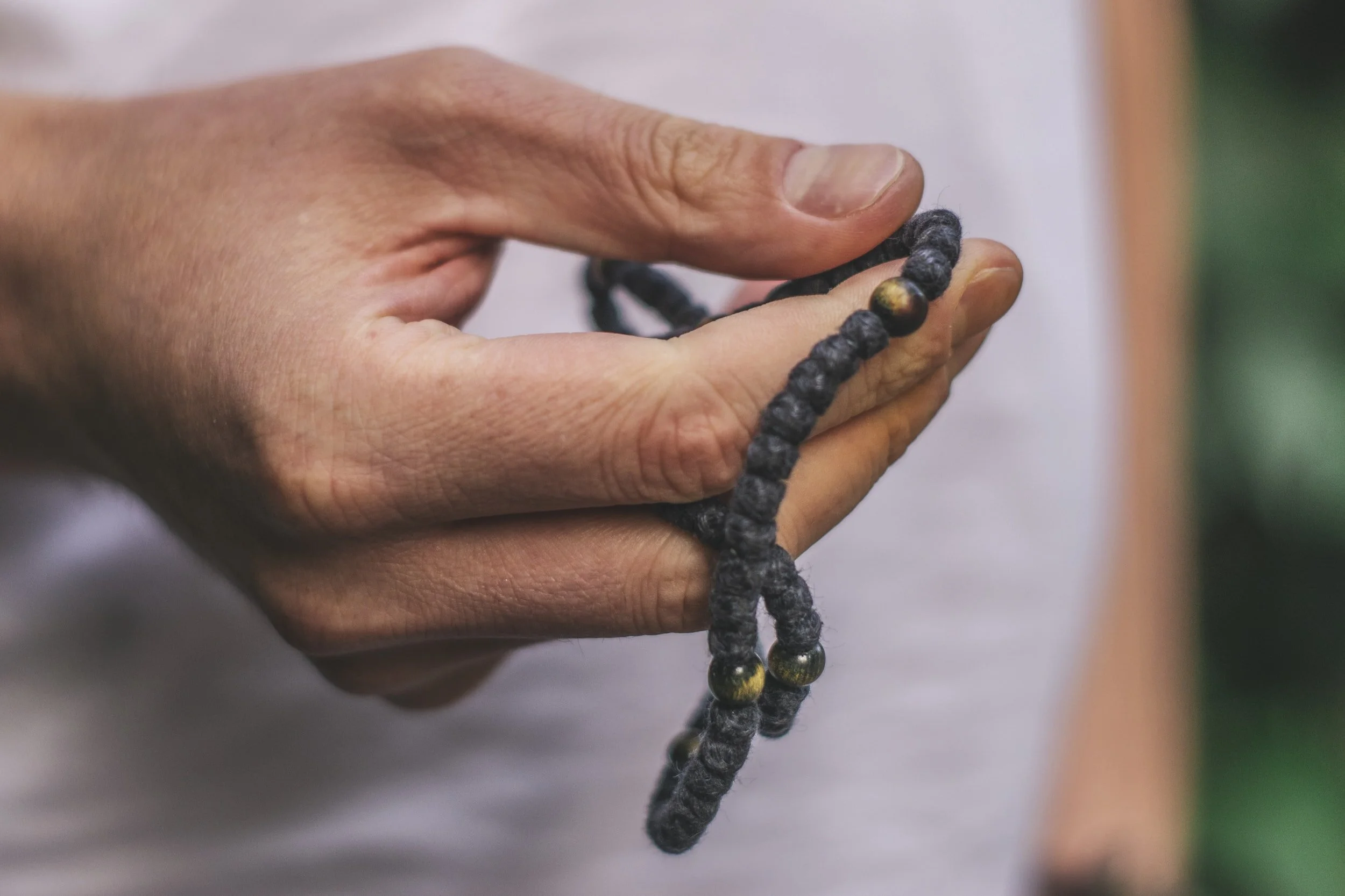
Bhakti yoga involves surrendering to the Divine or uniting with the universal consciousness, through practices such as chanting, devotional mantras, prayer, kirtan and rituals as part of their worship.
The intention when practicing Bhakti yoga is to devote one's self to the Divine in everything, thereby realizing the union of atman (the individual self) with Brahman (universal consciousness).
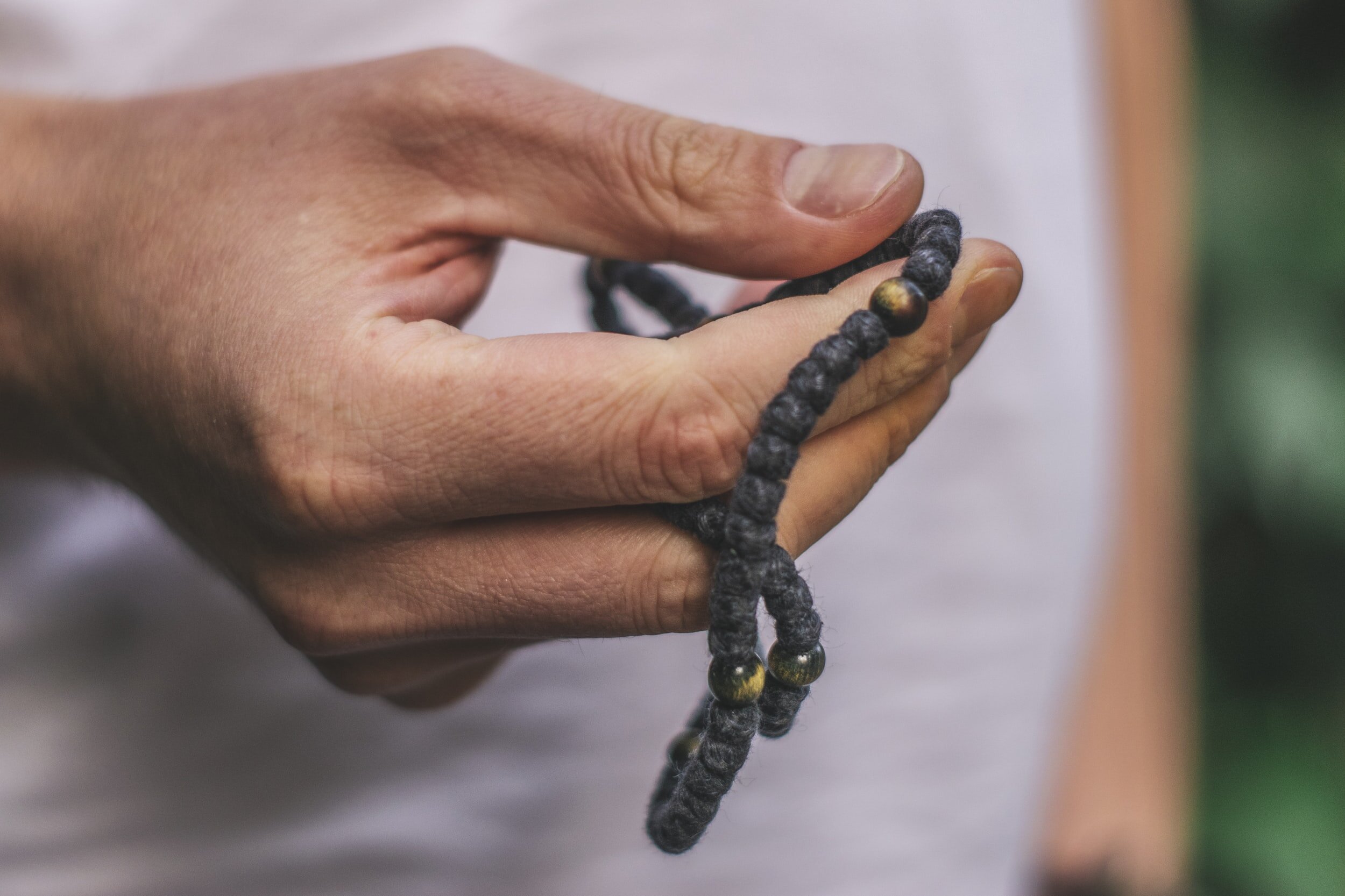
Bhakti yoga is sometimes referred to as the "path of the heart". Derived from the Sanskrit root, bhaj meaning "to serve God," Bhakti yoga is a practice of selfless devotion and recognition of the Divine in everything.
Bhakti yoga involves surrendering to the Divine or uniting with the universal consciousness, through practices such as chanting, devotional mantras, prayer, kirtan and rituals as part of their worship.
Surrender is both a necessary component and subsequent consequence of Bhakti yoga practice; by observing the divinity of everything in the universe, ideas of self and ego tend to dissolve, along with a sense of separation from others.
Those who follow Bhakti yoga don’t see themselves as separate from one another or from any other part of the universe, thereby enhancing feelings of love and unity.
The intention when practicing Bhakti yoga is to devote one's self to the Divine in everything, thereby realizing the union of atman (the individual self) with Brahman (universal consciousness). There is no spiritual path without Bhakti.
“When the river meets the ocean, it recognizes it is the ocean from the beginning to the end. In the same way, the moment a devotee surrenders to the Divine, the devotee becomes Divine.” ~ Sri Sri Ravi Shankar
In the Bhakti Sutras, Sage Narada describes nine elements of Bhakti Yoga:
Satsang - good spiritual company
Hari Katha - to hear and read about God
Shraddha - Faith
Ishvara Bhajana - to sing the praises of God
Mantra Japa - Repetition of God's name
Shama Dama - Withdrawal and control of the senses with regard to worldly things
Santo ka Adar - to show honour to people who have dedicated their lives to God
Santosha - Contentment
Ishvara Pranidhana - Devotion to God
What does Bhakti look like in a modern Yoga context?
It can look like all the above, but it can also just be that you bring your devotional heart to your practice. You practice with reverence, intention and most importantly, love. You open your mind and heart for what lies beyond the physical body and the asanas. You may dedicate your practice to a greater cause or to someone that needs it more. Practice for yourself, but realise that through your practice you also practice for the people around you. And ultimately, you may walk through life more compassionate, more loving, more kind and you may see that we’re all made from the same fabric of universal consciousness.
4 Paths of Yoga: Raja
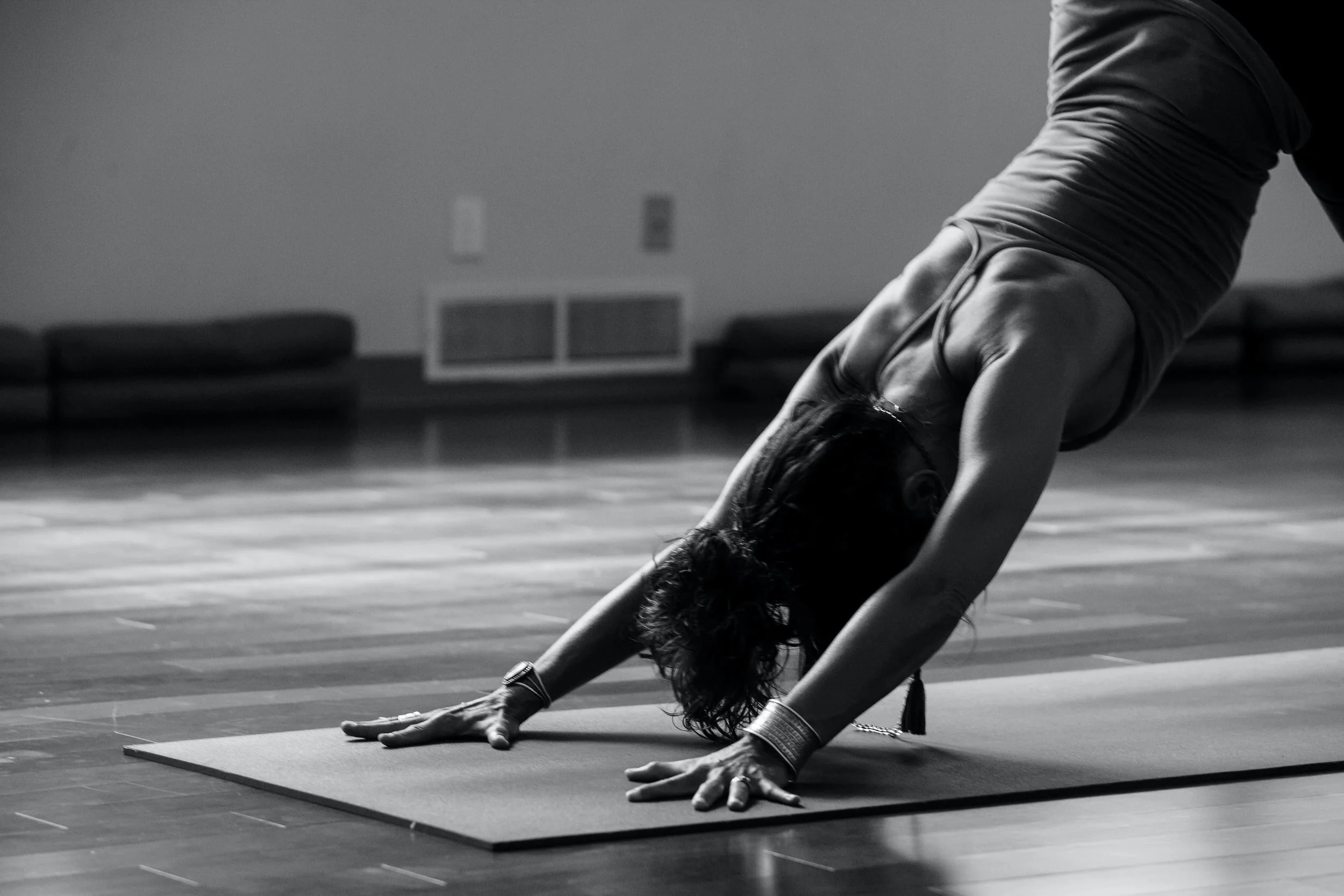
In Sanskrit, Raja means ‘king" or ‘royal," referring to Raja Yoga as the "royal path"’ or principal form of yoga. Traditionally, Raja Yoga refers to both the goal of yoga and the method of attaining it. It is therefore also considered to be the state of peace and contentment that arises from sustained yoga and meditation practice. It is from Raja Yoga that Hatha Yoga and the modern asana practice developed.
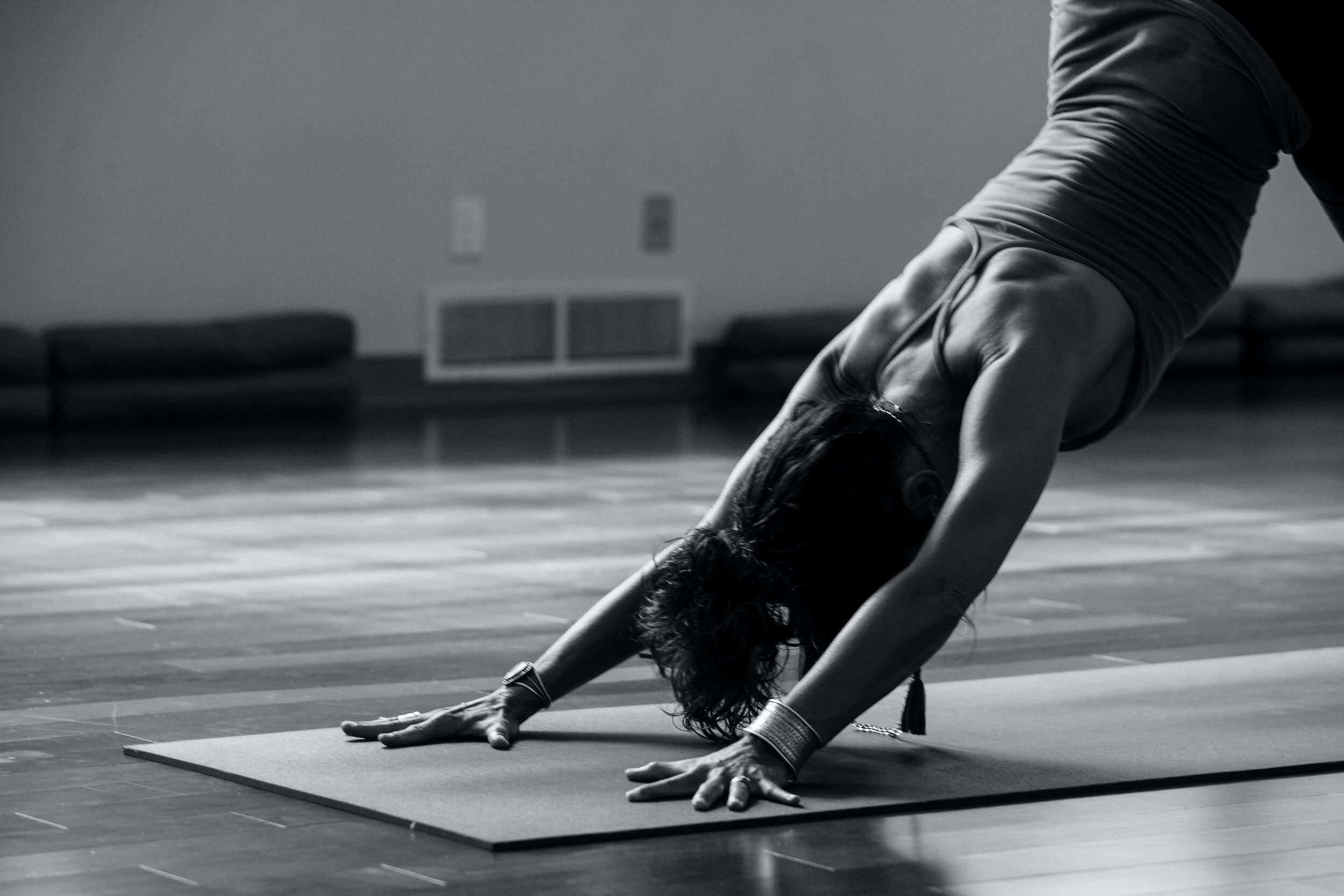
Raja Yoga is one of the four paths of yoga alongside Jnana (knowledge or self-study), Bhakti (devotion) and Karma (action), each offering a path to moksha (spiritual liberation) and self-realization.
In Sanskrit, Raja means ‘king" or ‘royal," referring to Raja Yoga as the "royal path"’ or principal form of yoga. Traditionally, Raja Yoga refers to both the goal of yoga and the method of attaining it. It is therefore also considered to be the state of peace and contentment that arises from sustained yoga and meditation practice. It is from Raja Yoga that Hatha Yoga and the modern asana practice developed.
According to Raja Yoga, the biggest obstacle to realising the Self is an overactive mind, attachment to the body-mind-intellect complex, and the egoic concept of a “me” which is individual and separate from the rest of the Universe. The way to overcome these obstacles is by calming down the activity of the mind and resting in That which remains when all thinking and patterning of consciousness ceases.
Raja Yoga suggests the tool of meditation: slowing down the chaos of the mind so much that, for an extended period of time, there is only one, continuous thought. This leads to total absorption in the nature of reality, known as Samadhi.
Raja Yoga is the path of self-discipline and practice. The Yoga Sutras of Patanjali is the classical text describing Raja Yoga and its eightfold path and practices. Hence, a dedicated asana, pranayama and meditation practice can be considered a tool for and to Raja Yoga.
Ultimately, most students and teachers in modern yoga studios are Raja Yogis!
Was dient mir, was kann ich loslassen, was möchte ich ändern?
Der Jahreswechsel wird oft als Projektionsfläche benutzt. Erwartungen, Wünsche und Sehnsüchte kommen auf und im neuen Jahr soll einiges anders werden. Dabei sind es die kleinen, aber kontinuierlichen Schritte in unserem Leben, welche uns die gewünschten Veränderungen bringen.

Inhale gratitude, exhale worry, inhale hope, exhale fear, inhale joy, exhale frustration, inhale growth, exhale negativity, inhale love, exhale everything we don’t need in the new year ahead - INHALE 2021, EXHALE 2020
Was hat sich in der Silvesternacht für dich verändert?
Der Jahreswechsel wird oft als Projektionsfläche benutzt. Erwartungen, Wünsche und Sehnsüchte kommen auf und im neuen Jahr soll einiges anders werden. Dabei sind es die kleinen, aber kontinuierlichen Schritte in unserem Leben, welche uns die gewünschten Veränderungen bringen.
Trotzdem ist es für eine achtsame Lebensführung wichtig regelmässig zurück zu schauen, zu reflektieren und sich neu auszurichten. Sich regelmässig die Fragen zu stellen: «Was dient mir, was kann ich loslassen, was möchte ich ändern?». Dies kann am Jahresende oder zu einem anderen Zeitpunkt passieren. Wir haben jeden einzelnen Moment die Gelegenheit uns neu für oder gegen etwas zu entscheiden.
Dieses Jahr war für mich persönlich anspruchsvoll und manchmal auch zermürbend und traurig. Was mir immer wieder geholfen hat, war die Liebe meiner Familie, das Wohlwollen meiner Freunde und meine Yogapraxis welche mich immer wieder in die Balance gebracht hat. Dieses Jahr war aber auch lehrreich: ich konnte innere Widerstände überwinden und mich für Neues öffnen. Es war spannend zu beobachten, was diese herausfordernde Situation mit uns Menschen bzw. unserem Verhalten macht. Was es bedeutet die vermeintliche Kontrolle zu verlieren und auch wie Angst unsere Gedanken und damit unser Verhalten beeinflusst. Ich wurde oft mit meinen eigenen Schatten und Abgründen konfrontiert in diesem Jahr. Es wurde mir einmal mehr vor Augen geführt, wie wichtig es für die mentale Gesundheit ist, bei sich selbst zu bleiben und sich bewusst um sich selbst zu kümmern. Einerseits geht es darum, sich selber bedingungslos zu akzeptieren und anderseits immer wieder nach Balance und Ausgleich zu streben. Diese Aufgabe können wir nicht delegieren, vom aussen erwarten oder käuflich erwerben. Es ist vielmehr eine Frage der Eigenverantwortung. Was im Aussen passiert können wir nicht kontrollieren, sehr wohl aber unsere Reaktion darauf. Für unser Handeln, unsere Einstellungen und Gedanken und alles was wir in diese Welt bringen können und sollten wir Verantwortung übernehmen.
Nun ist es leider so, dass unser Studio bis am 22. Januar geschlossen bleiben muss. Statt den Kopf in den Sand zu stecken, möchten wir nach vorne schauen und diese Zeit bewusst gestalten und nutzen. Dafür haben wir für dich unseren Stundenplan überarbeitet und das Angebot ausgebaut – selbstverständlich alles online. So kannst auch du diese besondere Zeit aktiv für dich nutzen! Die Klassen sind teilweise kürzer und finden zu anderen Zeiten statt und es wird einige zusätzliche Klassen geben. Unseren Stundenplan findest du weiter unten und natürlich auch auf unserer Website.
Wir haben uns entschieden, bei unseren günstigen Online-Preisen zu bleiben, d.h. eine Online-Klasse kostet nur etwas mehr als die Hälfte einer regulären Klasse im Studio. Wir möchten dich motivieren, die Zeit im Januar für deine Praxis zu Hause zu nutzen und vielleicht mehrmals pro Woche in kürzeren Sequenzen mit uns zu praktizieren. Auch wenn wir alle die Studio-Atmosphäre und den persönlichen Kontakt in einer Yogastunde lieben, bietet Online-Yoga auch Vorteile. Durch die kürzere Dauer und den Wegfall des Weges zum Studio kannst du Yoga z.B. besser in deinen Tag einbauen. Oder es kann deine eigene Yogapraxis unterstützen, da du mehr Routine bekommst, zu Hause zu üben. Probiere es für dich aus! Übrigens werden alle unsere Lektionen aufgezeichnet. Falls du dir eine Klasse bei deiner Wunschlehrerin zeitlich nicht einrichten kannst, reserviere trotzdem einen Platz und melde dich per Email bei mir damit ich dir die entsprechende Aufzeichnung schicken kann.
Wir freuen uns schon jetzt darauf, dich online zu treffen, die Energie der Gruppe mit dir zu teilen und dich in dieser herausfordernden Zeit mit Yoga zu unterstützen. Auf dass du im neuen Jahr immer wieder in deine Balance findest!

Dreamteam
Anlässlich unseres Team Events gestern durften wir eine Yoga Stunde mit Luna Schmitt geniessen - eine nährende Praxis die uns dazu eingeladen hat, Altlasten abzulegen und Leichtigkeit in unserem Körper und Geist zu spüren.
Dieses Jahr war zweifelsohne geprägt von grossen und kleinen Hindernissen, Schwierigkeiten und Herausforderungen - doch wie mit allem im Leben gibt es für jede Schattenseite eine Seite die von Licht erfüllt ist.

Anlässlich unseres Team Events gestern durften wir eine Yoga Stunde mit Luna Schmitt geniessen - eine nährende Praxis die uns dazu eingeladen hat, Altlasten abzulegen und Leichtigkeit in unserem Körper und Geist zu spüren.
Dieses Jahr war zweifelsohne geprägt von grossen und kleinen Hindernissen, Schwierigkeiten und Herausforderungen - doch wie mit allem im Leben gibt es für jede Schattenseite eine Seite die von Licht erfüllt ist - durch das Erleben der einen, wird die Bedeutung & Kraft der anderen spürbar. Wir sind dankbar für unser grossartiges Team, das schöne und schwierige Momente gemeinsam beschreitet und uns die Kraft der Gemeinschaft bewusst werden lässt.
Dieses Jahr hat uns vieles gelernt, aber ganz besonders, hat es uns aufgezeigt dass unsere Herzensangelegenheiten und Projekte erst durch das gemeinsame Zusammenwirken von Menschen umsetzbar und erfüllend werden. Danke an unser Team für eure Energie und Mitarbeit.
Danach haben wir uns auf den Weg gemacht auf einen Spaziergang in Richtung Wald, wo wir draussen, gewärmt vom Feuer eine Meditation und ein gemeinsames Abendessen genossen haben. Wir haben Mantras gesungen haben, gelacht und uns ausgetauscht aber auch Momente der Ruhe und Stille geteilt.

Wie können wir dich in dieser Zeit unterstützen?
Ich hoffe, dieser Newsletter erreicht dich bei guter Gesundheit. Die Welt hat sich verändert! Dieses Jahr hat bereits viel von uns abverlangt. Es ist nicht einfach, frohen Mutes und guter Laune zu sein in der momentanen Situation. Und trotzdem – den Kopf in den Sand zu stecken bringt uns nicht weiter.
Im April 2018 habe ich euphorisch und mit positivem Blick in die Zukunft das Studio «Yoga am Zürichberg» eröffnet. Bald hatten Woche für Woche neue Menschen den Weg zu uns gefunden.

Ich hoffe, dieser Newsletter erreicht dich bei guter Gesundheit. Die Welt hat sich verändert! Dieses Jahr hat bereits viel von uns abverlangt. Es ist nicht einfach, frohen Mutes und guter Laune zu sein in der momentanen Situation. Und trotzdem – den Kopf in den Sand zu stecken bringt uns nicht weiter.
Im April 2018 habe ich euphorisch und mit positivem Blick in die Zukunft das Studio «Yoga am Zürichberg» eröffnet. Bald hatten Woche für Woche neue Menschen den Weg zu uns gefunden. Ich war sehr zufrieden mit der Entwicklung, bis uns das Unvorhersehbare und Unerwartete eingeholt hatte. Wie viele andere Unternehmen leiden wir sehr unter der bestehenden Krise. Neben dem wirtschaftlichen Schaden schmerzt es auch emotional mit anzusehen wie das Erschaffene erodiert.
Dank unseren treuen Stammkunden und meinem grosszügigen Vermieter war es mir in den letzten Monaten möglich, den Studiobetrieb fortzuführen. Was die nächsten Monate bringen und ob wir die bestehende Krise überstehen werden, ist ungewiss.
Die Medien berichten meiner Meinung nach zu wenig darüber: das beste Mittel gegen das Virus ist und bleibt unser Immunsystem! Dieses stärken wir durch eine gesunde Lebensführung, unter anderem auch durch Yoga. Übrigens, Angst (=Stress) ist einer der grössten Feinde unserer körpereigenen Abwehr.
Unsere Lebenssituationen und unsere Bedürfnisse haben sich mit dem Virus verändert. Wir möchten gerne in Erfahrung bringen, wie wir dich mit unserem Angebot am besten unterstützen können. Zu diesem Zweck haben wir eine Umfrage erstellt.
Mit deinem Besuch in unserem Studio übernimmst du Selbstverantwortung für deinen physischen und mentalen Zustand, steigerst deine Gesundheit und dein Wohlbefinden und hilfst mit, dass wir weiter existieren können.
Unser aktueller Studiobetrieb wird durch die neuen Massnahmen, die seit dem 29. Oktober in Kraft sind, nicht tangiert. Yoga gilt als stationäre, sportliche Tätigkeit, bei welcher jeder Person eine Fläche von mindestens 4m2 zur Verfügung stehen muss, um ohne Maske praktizieren zu dürfen. Wir haben die Teilnehmerzahl in den regulären Klassen auf 7 SchülerInnen begrenzt. Somit besteht während den Klassen weiterhin keine Maskenpflicht. Diese gilt jedoch im ganzen Studio bis du auf deiner Matte bist.
Übrigens kannst du alle unserer Lektionen auch online von zu Hause aus mitmachen. Wir freuen uns, dich mit unserem Yogaangebot in dieser anspruchsvollen Zeit zu unterstützen. Mit deinem Besuch ermöglichst du uns, unser Studio weiterhin offen zu halten. Lasst uns gemeinsam durch diese Zeit gehen!
Back to school & back to office - 6 Yoga Asanas für einen gesunden Rücken
Obwohl diese Sommerferien anders waren als alle anderen zuvor - es gibt Dinge die sich nicht ändern. Dazu gehört auch, dass wir mit dem Schulstart und der Arbeit im Büro wieder sehr viel sitzen im Alltag. Unsere Körper sind nicht für eine sitzende Tätigkeit gemacht und das äussert sich früher oder später oft in unangenehmen Rückenverspannungen. Das muss aber nicht sein!

Obwohl diese Sommerferien anders waren als alle anderen zuvor - es gibt Dinge die sich nicht ändern. Dazu gehört auch, dass wir mit dem Schulstart und der Arbeit im Büro wieder sehr viel sitzen im Alltag. Unsere Körper sind nicht für eine sitzende Tätigkeit gemacht und das äussert sich früher oder später oft in unangenehmen Rückenverspannungen. Das muss aber nicht sein! Nimm’ Dir täglich ein paar wenige Minuten Zeit um diese einfachen Übungen in deinen Alltag zu integrieren und tu’ deinem Rücken und Deiner Körperhaltung langfristig etwas gutes. Du kannst diese Übungen zusammen machen oder einzeln, über den Tag verteilt, in kleinen Pausen. Versuche zudem alle 45 - 60’ kurz aufzustehen und Dich kurz etwas zu strecken - auch hier gilt: a little goes a long way!
✳︎Uttanasana/Vorbeuge: eine wunderbare Asana um Deine Wirbelsäule und Dein unterer Rücken zu dehnen und die Hamstrings zu dehnen, die sich beim langen Sitzen verkürzen. Varianten: Hände flach am Boden, die Hände an den Schienbeinen oder Du kannst auch die Rückseite deiner Beine umfassen und Deinen Oberkörper näher zu Deinen Oberschenkeln zu bringen
✳︎Balasana - Child’s Pose: eine grossartige Position, Die du auch gut am Abend praktizieren kannst um zur Ruhe zu kommen und Deinen Rücken zu entlasten. Varianten: Arme nach vorne ausgestreckt und aktiv, komm auf die Fingerspitzen und ziehe Dich lang
✳︎Happy Baby: Achte darauf, dass der ganze Rücken flach auf der Matte liegt
✳︎Malasana: Wusstest Du, dass dies die traditionelle Sitz-Haltung vieler Urvölker ist? Sie ist rücken-schonend und stärkt gleichzeitig das Becken
✳︎Low Lunge: achte auf gerade Hüften!
✳︎ Pigeon Pose: Wähle eine Variante die sich für Dich gut anfühlt!